Practice Self-Forgiveness

You missed a deadline, broke a promise, made the wrong decision, or let a great opportunity pass you by… No matter who we are or what we do, at some point in our lives, we drop the ball, sometimes badly, and it doesn’t feel good. It doesn’t feel good because we know that we had control of the outcome and, with the right mindset, commitment, and focus, we could have succeeded. That harsh reality quickly catches up with us, often leading to a sequence of remorseful feelings and emotions. So, what happens next? How do we manage and pivot from tough mental spots like these? Our ability to manage these situations depends on the balance between emotional response and rational thinking in our recovery process. Heredity, core values, life experiences, and environment influence our individual approach to such issues. Following a bad situation, some people may experience thinking paralysis, as remorse, regret, and guilt obstruct their ability to gain perspective and bounce back. Others may activate a self-defense mechanism that turns a negative situation into a learning opportunity, focusing on solutions rather than self-blame. Recognizing self-blame early and treating it as a natural but transitory emotion is critical. If not controlled, self-blame can lead to rumination and long-term psychological traumas that are hard to remedy. Instead, acknowledging the situation, reflecting on it, and allowing ourselves to learn and improve can generate positive outcomes for us and our environment. This personal growth is possible only if we allow ourselves some indulgence and forgiveness. The transition from blame to forgiveness is probably the hardest part of the recovery process. Human beliefs, traditions, and morals often inculcate that failure must be followed by penitence. Additionally, self-deceptive mental patterns, such as holding ourselves to unrealistic standards, overestimating our responsibility, and self-deprecating thinking, can impede a healthy mental transition. For those of us who set high standards for ourselves, self-forgiveness can be particularly challenging. However, like any skill, it can and should be practiced. Self-forgiveness is not about compromising the necessary reflection after causing harm or failing. Nor is it about minimizing our responsibility. Self-forgiveness is about recognizing with humility that we are human and that learning and improvement are possible only if we value and respect ourselves.
Continue Reading

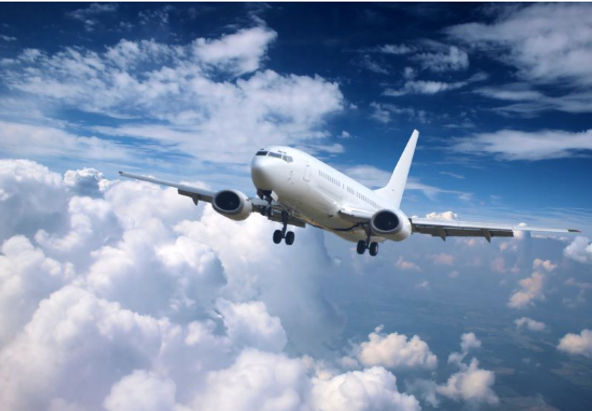
The Potential of Synthetic Fuel for the Aviation Industry

Could synthetic fuels be the solution to the aviation industry’s goal of achieving net-zero emissions by 2050? The aviation industry has encountered challenges with the limited scalability and compatibility of biofuels, which are being tested as an alternative to fossil fuels. However, new research suggests that synthetic fuels may hold the key to reaching their goal. Learn more about how synthetic fuel may be the future of aviation (Energy Digital). Read more here:

Continue Reading

“The Intensifying Fury: How Climate Change Fuels Stronger and Earlier Hurricanes”

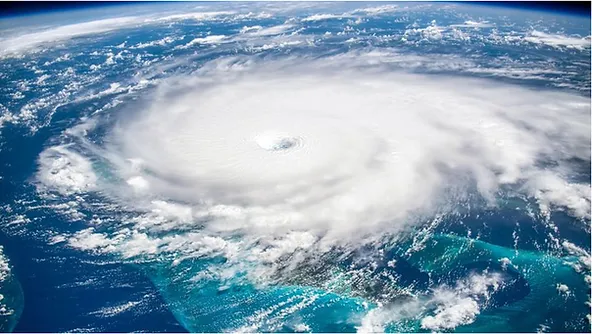
For those who remain unconvinced about the impact of climate change on our lives, Hurricane Beryl and its unprecedented early arrival in the hurricane season (June 1 to Nov. 30) serve as yet another disastrous consequence. After hitting Grenada Island and causing “Armageddon-like” destruction, as described by Prime Minister Dickon Mitchell (with 98% of buildings either destroyed or damaged), Jamaica and the Cayman Islands are now bracing for the Category 4 hurricane scheduled to hit today. The relationship between climate change and the intensification of hurricanes in terms of strength, destructive potential, and early arrival in the season is explained by the warming of the oceans, from which hurricanes draw their energy. For a hurricane to form, it requires wind, heat (a minimum of 80°F), and air moisture. Due to the need for warm oceans and corresponding air moisture, hurricanes, cyclones, and typhoons typically occur within or near the equatorial-tropical belt, between about 5 and 20 degrees of latitude. The kinetic energy of air moving from high-pressure to low-pressure zones provides the force that pushes tropical ocean’s moist air upward in a self-sustaining, looping mechanism that continues as long as massive amounts of humid air remain available along the storm’s path. This explains why hurricanes begin to weaken as they make landfall. As massive volumes of moist air rise into higher and cooler levels of the atmosphere, they condense into large and dense cloud formations. Since the convergence of wind and moisture occurs across large tropical geographic areas, the resulting cloud masses and winds are subject to the Coriolis effect, giving them a counterclockwise rotation in the northern hemisphere and providing hurricanes, cyclones, and typhoons their distinctive rotating shape. As clouds move closer to the storm’s eye’s low-pressure area, the conservation of angular momentum causes them to spin faster. Photo courtesy of Geomodderfied. As oceans warm, more moisture becomes available in areas of low pressure, creating more intense evaporation and condensation cycles. An average hurricane can contain 100 billion pounds of water (45 million metric tons). As air continues to move from high to low pressure, an increase in ocean water temperature provides the storm with more raw material and fuels it with greater energy and speed. A 1°F increase in ocean temperature can generate a 15-20 mph increase in hurricane speeds. It is important to note that hurricanes, cyclones, and typhoons are similar weather phenomena but are named differently depending on the geographic areas in which they occur. Unfortunately, as ocean temperatures continue to rise, we should expect weather events to continue to amplify in intensity and frequency. While human influence on climate change has been questioned by some, there is now unquestionable, proven scientific evidence that greenhouse gases contribute to increased temperatures on Earth. Climate scientist Fiona Lo has mentioned that 90% of the heat trapped by greenhouse gases has been absorbed by the world’s oceans. Hopefully, as the global industrial community, climate scientists, and governments work hand in hand and continue to push for environmentally friendly policies and measures, humans can reduce their impact on climate and reverse a trend that we are now witnessing with its negative consequences on our lives.

Continue Reading

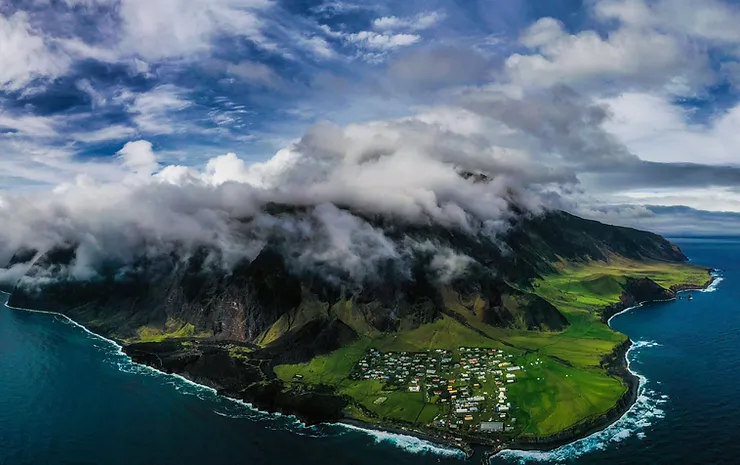
Tristan da Cunha – Isolated Wonders: Exploring the World’s Most Remote Island Sanctuaries.

Over the coming weeks, I will publish a series of short essays on remote islands that are as beautiful as they are distant. Reaching some of these islands takes more time than traveling to the moon! To visit these remote princesses of the seas, one must possess patience, courage to brave the most dangerous seas and hostile weather, and a humble heart, as your long, perilous voyage will lead you to a place of rugged, raw beauty. Tristan da Cunha Tristan da Cunha (TDC) is the most remote inhabited island in the world. Home to just 250 people, they reside in a village called Edinburgh of the Seven Seas—a name that might just be the coolest in the world! Located in the middle of the southern Atlantic Ocean, TDC is far from nearly everything. It lies over 2,400 miles from Mar del Plata, Argentina; 2,166 miles from the Falkland Islands; and 1,500 miles west of Cape Town, South Africa—the most common departure point by ship to reach TDC. The journey from Cape Town takes about six days by ship. The 13-km-wide island was first sighted in 1506 by Portuguese explorer Tristão da Cunha, but rough seas prevented him from landing. The first recorded landing occurred in 1643 by the crew of the Dutch East India Company aboard the Heemstede. The French corvette Heure du Berger and its crew conducted the first survey of the archipelago in 1767, and naturalist Louis-Marie Aubert du Petit-Thouars led the first scientific exploration in 1793. Settlement attempts began in the early 19th century, but the first successful permanent community was established in 1817. Today, TDC is part of the British Overseas Territories. TDC is the emerged summit of a volcano that erupted in 1961, forcing the island’s evacuation. The highest point on the island, Queen Mary’s Peak, stands at 2,060 meters. Because of their extreme isolation, the inhabitants of TDC have formed a close-knit community with a strong sense of self-reliance. They have built and maintain some self-sufficiency through gardening, cattle, and fishing. TDC’s economy depends on fishing and some tourism, which is highly regulated and controlled to prevent outsiders from disrupting TDC’s fragile ecosystem. Despite its remote location, TDC has modern communication facilities, including internet access, but the island still faces challenges such as limited resources, dependence on imports, and potential natural disasters. TDC has a cool oceanic climate with strong westerly winds. Temperatures are mild, with average highs around 12°C (54°F) and lows around 6°C (43°F). The island is home to several endemic plant and animal species, like the critically endangered Tristan Albatross. The surrounding waters are rich in marine life, making TDC an exciting destination for fishing and diving enthusiasts.

Continue Reading

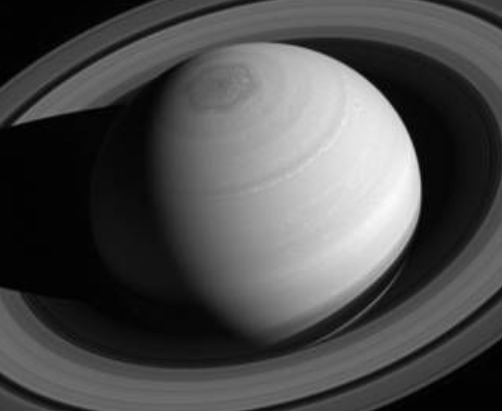
Age of Saturn’s Mysterious Rings Revealed

According to NASA, the rings of Saturn, are “young and ephemeral” – relatively speaking of course. The Cosmic Dust Analyzer aboard NASA’s Cassina spacecraft deduced that the rings of Saturn are estimated to be only a few hundred million years old, a fraction of the 4.6 billion years Saturn is believed to be in existence. Read more about NASA’s findings here: https://www.nasa.gov/solar-system/saturns-rings-young-and-ephemeral-three-nasa-ames-studies-say/

Continue Reading

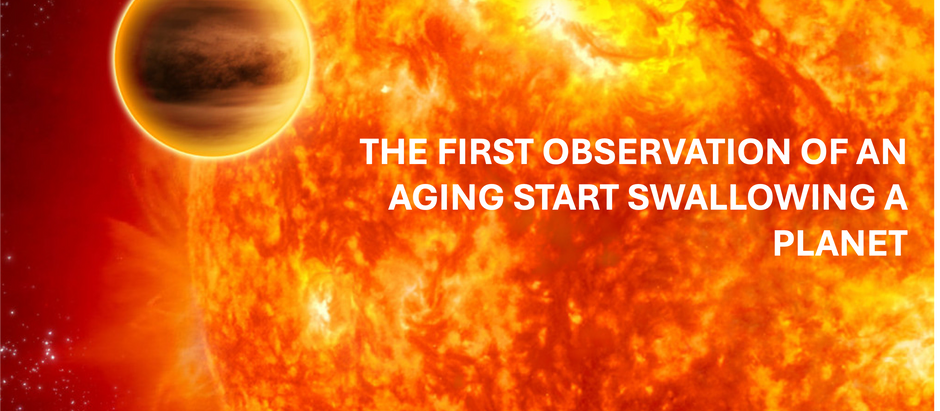
Star Devouring a Planet

Astronomers have recently witnessed a star consuming a planet! The observations were made by NASA’s Chandra X-ray Observatory and provided new insights into the processes of planetary destruction by stars. It’s incredible how much we continue to learn about our universe every day. Click the link to read more! https://lnkd.in/g2ahC2Vn

Continue Reading
Scroll to Top